 مسحات رغوة غرف الأبحاث, مسحات بوليستر, الشركة المصنعة لمجموعة أدوات تنظيف الطابعة | ميديتك
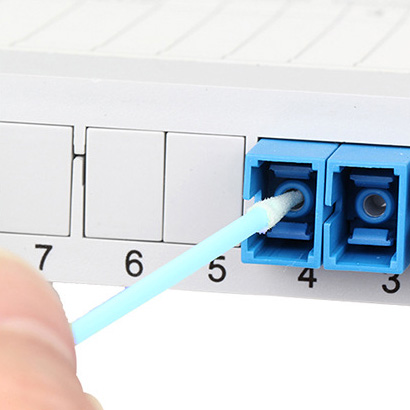
تستخدم شبكات الألياف الضوئية على نطاق واسع في مجال الاتصالات, مراكز البيانات, الأتمتة الصناعية, الفضاء, وأنظمة الاتصالات عالية السرعة لأنها توفر عرض نطاق ترددي ممتاز, فقدان إشارة منخفضة, ونقل البيانات بشكل موثوق. لكن, حتى التلوث المجهري على وجوه نهاية موصل الألياف الضوئية يمكن أن يؤثر بشكل كبير على الأداء البصري.
جزيئات الغبار, بقايا النفط, بصمات الأصابع, وقد يؤدي تنظيف المخلفات الكيميائية إلى زيادة فقدان الإدخال وفقدان العودة, مما يسبب اتصالات غير مستقرة أو حتى فشل كامل للإشارة. لذلك, التنظيف المناسب لموصل الألياف الضوئية يعد إجراء صيانة أساسيًا لضمان اتصال موثوق بالألياف الضوئية.
لماذا يعد تنظيف موصل الألياف الضوئية أمرًا مهمًا
تعتمد موصلات الألياف الضوئية على الاتصال الجسدي الدقيق بين وجوه نهاية الألياف المصقولة. نظرًا لأن القطر الأساسي للألياف أحادية الوضع صغير للغاية, فحتى الملوثات الصغيرة يمكن أن تتداخل مع نقل الإشارة.
وفقًا لإرشادات تنظيف موصل الألياف الضوئية, يمكن أن يؤثر التلوث أو الخدوش على أوجه نهاية الألياف سلبًا على الأداء البصري عن طريق زيادة فقدان الإدخال و, في الحالات الشديدة, مما يسبب انقطاع الإشارة.
وتشمل الملوثات الشائعة:
- الغبار والجزيئات المحمولة جوا
- بصمات الأصابع وزيوت الجلد
- الشحوم والرطوبة
- بقايا عمليات التنظيف السابقة
- الملوثات البيئية من مواقع التركيب
يساعد الفحص والتنظيف المنتظم في الحفاظ على فقدان بصري منخفض, منع تعطل الشبكة, وإطالة عمر خدمة معدات الألياف البصرية.
الأنواع الشائعة من موصلات الألياف الضوئية التي تتطلب التنظيف
تتطلب تصميمات الموصلات المختلفة طرق وأدوات تنظيف مختلفة. تشمل موصلات الألياف الضوئية الشائعة:
موصلات LC
تستخدم موصلات LC أ 1.25 مم وتوجد بشكل شائع في بيئات الشبكات عالية الكثافة. بسبب تصميمها المدمج, تكون موصلات LC أكثر عرضة للتلوث والخدوش أثناء التعامل معها.
موصلات SC
تتميز موصلات SC بحجم أكبر 2.5 مم وتستخدم على نطاق واسع في الاتصالات السلكية واللاسلكية وتطبيقات اتصالات البيانات.
موصلات MTP/MPO
تحتوي موصلات MTP/MPO على ألياف متعددة في موصل واحد, مما يجعل التفتيش والتنظيف أكثر صعوبة. تتطلب كل ألياف فحصًا دقيقًا لضمان الأداء الموثوق.
موصلات الشعاع الموسعة
تستخدم موصلات الشعاع الموسعة العدسات بدلاً من الاتصال المباشر من الألياف إلى الألياف. لا تزال أسطحها البصرية تتطلب تنظيفًا دقيقًا عند تلوثها.
أدوات تنظيف موصل الألياف البصرية
يعد اختيار أدوات التنظيف المناسبة أمرًا ضروريًا لحماية الأسطح البصرية الحساسة أثناء إزالة التلوث بشكل فعال. تنقسم طرق تنظيف الألياف الضوئية بشكل عام إلى التنظيف الجاف و التنظيف الرطب.
أدوات التنظيف الجاف
عادةً ما يكون التنظيف الجاف هو الطريقة الأولى الموصى بها لإزالة الغبار السائب, الوبر, وغيرها من الملوثات الجافة. لا يدخل السوائل, تقليل مخاطر بقايا المذيبات مع توفير صيانة سريعة ومريحة.
تشمل أدوات التنظيف الجاف الشائعة:
- مناديل خالية من الوبر مصممة خصيصًا للأسطح البصرية
- أعواد التنظيف (مسحات) لتنظيف منافذ الموصل, الحلقات, والمحولات
- منظفات على طراز الكاسيت التي توفر حركة مسح متسقة عبر وجه نهاية الموصل
- منظفات بنقرة واحدة لسريع, مريح, وتنظيف الموصل القابل للتكرار
تعمل هذه الأدوات عن طريق رفع الجزيئات وإزالتها فعليًا من سطح الموصل دون ترك بقايا. يعد التنظيف الجاف مثاليًا للصيانة الروتينية وغالبًا ما يكون كافيًا للموصلات الملوثة بالضوء.
أدوات التنظيف الرطب
عندما تكون الموصلات ملوثة ببصمات الأصابع, شحم, أو بقايا عنيدة, يوفر التنظيف الرطب إزالة أكثر فعالية.
تشمل أدوات التنظيف الرطب الشائعة:
- ايزوبروبيل (IPA) مع نقاء 99% أو أعلى
- سوائل تنظيف الألياف الضوئية المتخصصة مصممة للمكونات البصرية
- مناديل خالية من الوبر أو مسحات غرف الأبحاث تستخدم جنبا إلى جنب مع محلول التنظيف
أثناء التنظيف الرطب, يجب وضع كمية صغيرة فقط من سائل التنظيف على المسحة أو المسحة. بعد التنظيف, يجب ترك الموصل حتى يجف تمامًا قبل الفحص وإعادة التوصيل.
يساعد استخدام حلول التنظيف عالية النقاء مع المواد الخالية من الوبر على منع البقايا مع حماية الأسطح البصرية الحساسة.
عملية تنظيف موصل الألياف الضوئية خطوة بخطوة
خطوة 1 – فحص قبل التنظيف
لا تفترض أبدًا أن الموصل نظيف لمجرد أنه يحتوي على غطاء واقي.
يساعد استخدام مجهر فحص الألياف قبل التنظيف في التعرف:
- جزيئات الغبار
- بصمات الأصابع
- التلوث بالزيت
- الخدوش
- بقايا التنظيف
يجب إجراء الفحص دائمًا قبل تزاوج الموصلات لتجنب نقل التلوث إلى موصل آخر.
خطوة 2 – ابدأ بالتنظيف الجاف
كلما كان ذلك ممكنا, ابدأ بالتنظيف الجاف.
استخدم مسحًا مناسبًا خاليًا من الوبر, نظافة بنقرة واحدة, كاسيت التنظيف, أو مسحة غرف الأبحاث لإزالة الملوثات السائبة من وجه نهاية الموصل.
غالبًا ما يكون التنظيف الجاف كافيًا للصيانة الروتينية ويقلل من احتمالية وجود بقايا المذيبات.
خطوة 3 - إجراء التنظيف الرطب (إذا لزم الأمر)
إذا كان التنظيف الجاف لا يزيل التلوث بالكامل, المضي قدما في التنظيف الرطب. هذه الطريقة فعالة بشكل خاص لإزالة بصمات الأصابع, شحم, زيت, وغيرها من المخلفات العنيدة.
اتبع هذه الخطوات:
- بلل قطعة قماش خالية من الوبر أو قطعة قماش نظيفة برفق 99% أو كحول الأيزوبروبيل عالي النقاء (IPA) أو سائل تنظيف الألياف الضوئية المتخصص.
- امسح وجه طرف الموصل بلطف في اتجاه واحد باستخدام الضغط الخفيف.
- استخدام نظيفة, قسم جاف من المسح أو مسحة جديدة لإزالة أي مذيب متبقي.
- اترك الموصل يجف تمامًا في الهواء قبل الفحص.
تجنب استخدام سائل التنظيف المفرط, حيث أن المذيبات الفائضة يمكن أن تترك بقايا أو تنتقل إلى غلاف الموصل.
خطوة 4 – الفحص بعد التنظيف
يجب أن يتبع التنظيف دائمًا التفتيش.
باستخدام مجهر فحص الألياف على الأقل 200× التكبير يسمح للفنيين بالتحقق من خلو الموصل من التلوث قبل التزاوج. للموصلات متعددة الألياف مثل MTP/MPO, يجب فحص كل ألياف فردية للتأكد من نظافة الطويق بالكامل.
إذا بقي التلوث, كرر عملية التنظيف حتى يمر الموصل بالفحص.
أفضل الممارسات لتنظيف موصل الألياف البصرية
يساعد اتباع أفضل ممارسات الصناعة على زيادة أداء الموصل وتقليل مخاطر فشل الشبكة.
قم بالفحص دائمًا قبل الاتصال
العديد من الملوثات مجهرية ولا يمكن رؤيتها بالعين المجردة. يساعد فحص كل موصل قبل التزاوج على منع انتقال التلوث إلى الموصل المقابل.
استخدم طريقة التنظيف الأقل عدوانية أولاً
ابدأ بالتنظيف الجاف كلما أمكن ذلك. انتقل إلى التنظيف الرطب فقط إذا لم يكن من الممكن إزالة الملوثات باستخدام الطرق الجافة.
استخدم مواد نظيفة في كل مرة
استخدم دائمًا مسحًا جديدًا خاليًا من الوبر أو مسحة غرف الأبحاث لكل دورة تنظيف. يمكن أن تؤدي إعادة استخدام مواد التنظيف إلى نقل الملوثات مرة أخرى إلى الموصل.
تجنب لمس وجه نهاية الطويق
حتى لمسة قصيرة بإصبعك يمكن أن تترسب الزيوت التي يصعب إزالتها.
استبدل القبعات الواقية على الفور
بمجرد الانتهاء من التنظيف والتفتيش, أعد توصيل الألياف أو استبدل الغطاء الواقي لمنع التلوث الجديد.
الأخطاء الشائعة التي يجب تجنبها
تنجم العديد من حالات فشل الموصل عن التنظيف غير المناسب بدلاً من المكونات ذات الجودة الرديئة. تجنب هذه الأخطاء الشائعة:
استخدام أعواد القطن العادية
تتخلص المسحات القطنية القياسية من الألياف التي يمكن أن تلوث الأسطح البصرية. استخدم دائمًا مسحات غرف الأبحاث الخالية من الوبر والمصممة للتنظيف الدقيق.
استخدام الكحول منخفض النقاء
قد يترك الكحول المحتوي على الماء أو الشوائب بقايا بعد التبخر. يستخدم 99% أو أعلى نقاء IPA أو محلول تنظيف الألياف الضوئية المخصص.
تطبيق الكثير من الضغط
قد يؤدي الفرك بقوة إلى خدش وجه نهاية الطويق المصقول وإتلاف الموصل بشكل دائم.
إعادة استخدام مواد التنظيف القذرة
بمجرد استخدام المسحة أو المسحة, وينبغي التخلص منه لتجنب إعادة تلويث الموصل.
تخطي التفتيش
قد يبدو الموصل نظيفًا ولكنه لا يزال يحتوي على جزيئات مجهرية تؤثر على الأداء البصري. التفتيش هو خطوة نهائية أساسية.
أوصى مسحات غرف الأبحاث MediTech لتنظيف موصل الألياف البصرية
تتطلب الصيانة الاحترافية للألياف الضوئية جودة عالية, أدوات تنظيف خالية من الوبر. تقوم شركة MediTech بتصنيع مجموعة واسعة من مسحات غرف الأبحاث مصممة خصيصًا لتنظيف المكونات البصرية والإلكترونية الدقيقة.
يتم تصنيع هذه المسحات في بيئات غرف الأبحاث وتوفر توليدًا منخفضًا للجسيمات, مقاومة ممتازة للمذيبات, وأداء تنظيف متفوق.
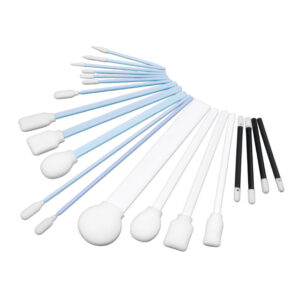
يمكنك استكشاف مجموعة المنتجات الكاملة هنا: مسحات غرف الأبحاث من MediTech