 Foam-wattenstaafjes voor cleanrooms, Polyester wattenstaafjes, Fabrikant van printerreinigingssets | MediTech
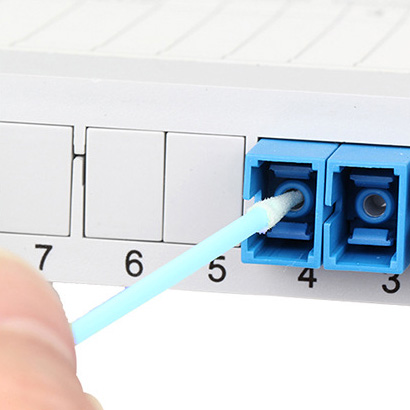
Glasvezelnetwerken worden veel gebruikt in de telecommunicatie, datacentra, industriële automatisering, ruimtevaart, en hogesnelheidscommunicatiesystemen omdat ze uitstekende bandbreedte bieden, laag signaalverlies, en betrouwbare gegevensoverdracht. Echter, zelfs microscopische vervuiling op de eindvlakken van glasvezelconnectoren kan de optische prestaties aanzienlijk beïnvloeden.
Stofdeeltjes, olieresten, vingerafdrukken, en het reinigen van chemische resten kan het invoegverlies en retourverlies vergroten, waardoor onstabiele verbindingen of zelfs volledige signaalstoringen ontstaan. Daarom, juiste reiniging van glasvezelconnectoren is een essentiële onderhoudsprocedure om betrouwbare glasvezelcommunicatie te garanderen.
Waarom het reinigen van glasvezelconnectoren belangrijk is
Glasvezelconnectoren zijn afhankelijk van nauwkeurig fysiek contact tussen gepolijste vezeleindvlakken. Omdat de kerndiameter van een single-mode vezel extreem klein is, zelfs kleine verontreinigingen kunnen de signaaloverdracht verstoren.
Volgens de reinigingsrichtlijnen voor glasvezelconnectoren, Vervuiling of krassen op de eindvlakken van de vezels kunnen de optische prestaties negatief beïnvloeden door het invoegverlies te vergroten, in ernstige gevallen, signaalonderbreking veroorzaken.
Veel voorkomende verontreinigingen zijn onder meer:
- Stof en deeltjes in de lucht
- Vingerafdrukken en huidoliën
- Vet en vocht
- Residuen van eerdere reinigingsprocessen
- Milieuverontreinigingen van installatielocaties
Regelmatige inspectie en reiniging zorgen voor een laag optisch verlies, netwerkuitval voorkomen, en verleng de levensduur van glasvezelapparatuur.
Veelvoorkomende typen glasvezelconnectoren die moeten worden gereinigd
Verschillende connectorontwerpen vereisen verschillende reinigingsmethoden en gereedschappen. Veel voorkomende glasvezelconnectoren zijn onder meer:
LC-connectoren
LC-connectoren gebruiken een 1.25 mm ferrule en worden vaak aangetroffen in netwerkomgevingen met hoge dichtheid. Door hun compacte ontwerp, LC-connectoren zijn kwetsbaarder voor vervuiling en krassen tijdens het hanteren.
SC-connectoren
SC-connectoren zijn voorzien van een grotere 2.5 mm ferrule en worden veel gebruikt in telecommunicatie- en datacommunicatietoepassingen.
MTP/MPO-connectoren
MTP/MPO-connectoren bevatten meerdere vezels in één connector, waardoor inspectie en reiniging een grotere uitdaging worden. Elke vezel vereist zorgvuldig onderzoek om betrouwbare prestaties te garanderen.
Uitgebreide straalconnectoren
Uitgebreide bundelconnectoren gebruiken lenzen in plaats van direct vezel-tot-vezelcontact. Hun optische oppervlakken moeten nog steeds zorgvuldig worden gereinigd als ze vervuild zijn.
Reinigingsgereedschap voor glasvezelconnectoren
Het kiezen van de juiste reinigingshulpmiddelen is essentieel voor het beschermen van kwetsbare optische oppervlakken en het effectief verwijderen van vervuiling. Glasvezelreinigingsmethoden zijn over het algemeen onderverdeeld in: stomerij en natte reiniging.
Stomerij gereedschap
Stomerij is meestal de eerste aanbevolen methode voor het verwijderen van los stof, lint, en andere droge verontreinigingen. Er worden geen vloeistoffen geïntroduceerd, waardoor het risico op resten van oplosmiddelen wordt verminderd en tegelijkertijd snel en gemakkelijk onderhoud mogelijk is.
Veelgebruikte stomerijhulpmiddelen zijn onder meer:
- Pluisvrije doekjes speciaal ontworpen voor optische oppervlakken
- Reinigingsstokjes (wattenstaafjes) voor het reinigen van connectorpoorten, adereindhulzen, en adapters
- Reinigers in cassettestijl die zorgen voor een consistente veegbeweging over het eindvlak van de connector
- Reinigers met één klik voor snel, handig, en herhaalbare connectorreiniging
Deze gereedschappen werken door deeltjes fysiek van het connectoroppervlak op te tillen en te verwijderen zonder residu achter te laten. Stomerij is ideaal voor routineonderhoud en is vaak voldoende voor connectoren met lichte vervuiling.
Gereedschap voor natte reiniging
Wanneer connectoren vervuild zijn met vingerafdrukken, vet, of hardnekkige resten, nat reinigen zorgt voor een effectievere verwijdering.
Veel voorkomende gereedschappen voor nat reinigen zijn onder meer:
- Isopropylalcohol (IPA) met een zuiverheid van 99% of hoger
- Gespecialiseerde glasvezelreinigingsvloeistoffen ontworpen voor optische componenten
- Pluisvrije doekjes of wattenstaafjes voor cleanrooms gebruikt in combinatie met de reinigingsoplossing
Tijdens nat reinigen, Er mag slechts een kleine hoeveelheid reinigingsvloeistof op het doekje of wattenstaafje worden aangebracht. Na het schoonmaken, de connector moet volledig drogen voordat deze wordt geïnspecteerd en opnieuw wordt aangesloten.
Het gebruik van zeer zuivere reinigingsoplossingen in combinatie met pluisvrije materialen helpt residu te voorkomen en gevoelige optische oppervlakken te beschermen.
Stapsgewijs reinigingsproces voor glasvezelconnectoren
Stap 1 – Inspecteer vóór het reinigen
Ga er nooit van uit dat een connector schoon is, simpelweg omdat deze een beschermkap heeft.
Het gebruik van een vezelinspectiemicroscoop vóór het reinigen helpt bij het identificeren:
- Stofdeeltjes
- Vingerafdrukken
- Olievervuiling
- Krassen
- Reinigingsresten
Er moet altijd een inspectie worden uitgevoerd voordat connectoren worden gekoppeld om te voorkomen dat verontreiniging wordt overgedragen op een andere connector.
Stap 2 – Begin met stomen
Waar mogelijk, begin met stomen.
Gebruik een geschikt pluisvrij doekje, schoonmaker met één klik, reinigingscassette, of een cleanroom-wattenstaafje om losse verontreinigingen van het uiteinde van de connector te verwijderen.
Stomerij is vaak voldoende voor routineonderhoud en minimaliseert de kans op oplosmiddelresten.
Stap 3 – Voer een natte reiniging uit (Indien nodig)
Als stomerij de verontreiniging niet volledig verwijdert, Ga verder met nat reinigen. Deze methode is bijzonder effectief voor het verwijderen van vingerafdrukken, vet, olie, en andere hardnekkige resten.
Volg deze stappen:
- Bevochtig een pluisvrij doekje of een cleanroom-wattenstaafje lichtjes 99% of isopropylalcohol met hogere zuiverheid (IPA) of een speciale glasvezelreinigingsvloeistof.
- Veeg het uiteinde van de connector voorzichtig in één richting schoon met lichte druk.
- Gebruik een schone, droog gedeelte van het doekje of een nieuw wattenstaafje om eventueel achtergebleven oplosmiddel te verwijderen.
- Laat de connector volledig aan de lucht drogen voordat u deze gaat inspecteren.
Vermijd het gebruik van overmatig schoonmaakmiddel, omdat overtollig oplosmiddel residu kan achterlaten of in de connectorbehuizing kan migreren.
Stap 4 – Inspecteer na het reinigen
Reiniging moet altijd worden gevolgd door inspectie.
Met behulp van een vezelinspectiemicroscoop met minimaal 200× vergroting stelt technici in staat te verifiëren dat de connector vrij is van verontreiniging voordat deze wordt gekoppeld. Voor multivezelconnectoren zoals MTP/MPO, elke afzonderlijke vezel moet worden geïnspecteerd om er zeker van te zijn dat de gehele ferrule schoon is.
Als er besmetting blijft, herhaal het reinigingsproces totdat de connector de inspectie doorstaat.
Beste praktijken voor het reinigen van glasvezelconnectoren
Het volgen van best practices uit de branche helpt de prestaties van de connector te maximaliseren en het risico op netwerkstoringen te verminderen.
Inspecteer altijd voordat u verbinding maakt
Veel verontreinigingen zijn microscopisch klein en kunnen niet met het blote oog worden waargenomen. Door elke connector te inspecteren voordat deze wordt gekoppeld, wordt voorkomen dat verontreiniging wordt overgebracht naar de tegenoverliggende connector.
Gebruik eerst de minst agressieve reinigingsmethode
Begin waar mogelijk met stomen. Ga alleen over op nat reinigen als verontreinigingen niet met droge methoden kunnen worden verwijderd.
Gebruik elke keer schone materialen
Gebruik voor elke reinigingscyclus altijd een nieuw, pluisvrij doekje of een cleanroom-wattenstaafje. Hergebruik van reinigingsmaterialen kan verontreinigingen terug op de connector overbrengen.
Raak het eindvlak van de ferrule niet aan
Zelfs een korte aanraking met uw vinger kan oliën achterlaten die moeilijk te verwijderen zijn.
Vervang de beschermkappen onmiddellijk
Zodra de reiniging en inspectie zijn voltooid, sluit de vezel opnieuw aan of plaats de beschermkap terug om nieuwe besmetting te voorkomen.
Veelvoorkomende fouten die u moet vermijden
Veel connectorstoringen zijn het gevolg van onjuiste reiniging en niet van componenten van slechte kwaliteit. Vermijd deze veelgemaakte fouten:
Gebruik gewone wattenstaafjes
Standaard wattenstaafjes laten vezels los die optische oppervlakken kunnen vervuilen. Gebruik altijd pluisvrije cleanroom-wattenstaafjes die zijn ontworpen voor nauwkeurige reiniging.
Gebruik van alcohol met een lage zuiverheid
Alcohol die water of onzuiverheden bevat, kan na verdamping residu achterlaten. Gebruik 99% of IPA met een hogere zuiverheid of een speciale glasvezelreinigingsoplossing.
Te veel druk uitoefenen
Agressief schrobben kan krassen veroorzaken op het gepolijste eindvlak van de ferrule en de connector permanent beschadigen.
Hergebruik van vuile schoonmaakmaterialen
Zodra een doekje of wattenstaafje is gebruikt, het moet worden weggegooid om herbesmetting van de connector te voorkomen.
Inspectie overslaan
Een connector kan er schoon uitzien, maar bevat nog steeds microscopisch kleine deeltjes die de optische prestaties beïnvloeden. Inspectie is een essentiële laatste stap.
Aanbevolen MediTech Cleanroom-wattenstaafjes voor het reinigen van glasvezelconnectoren
Professioneel glasvezelonderhoud vraagt om hoge kwaliteit, pluisvrije schoonmaakhulpmiddelen. MediTech produceert een breed scala aan wattenstaafjes voor cleanrooms speciaal ontworpen voor het reinigen van optische en elektronische precisiecomponenten.
Deze wattenstaafjes worden vervaardigd in cleanroomomgevingen en genereren weinig deeltjes, uitstekende oplosmiddelbestendigheid, en superieure reinigingsprestaties.
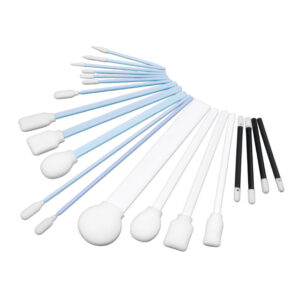
Hier kunt u het volledige productassortiment verkennen: MediTech Cleanroom-wattenstaafjes